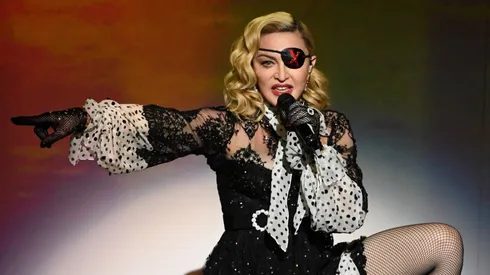
But among all the awards, stadium shows, and global headlines, one of the most hilariously bizarre chapters in Madonna’s storied life occurred not on a red carpet, but in a shipping company’s customer-service queue.
Back in September 2017, the most recognizable female artist on Earth encountered a problem no amount of fame could immediately solve: FedEx refused to hand over her package because they simply did not believe she was actually Madonna.
Here is the inside story of the viral standoff between the pop sovereign, international customs, and a customer service representative named Julie.
Soccer Mom in Lisbon: The Setup
The saga began shortly after Madonna relocated to Portugal in 2017. Scaling back her international touring schedule, she purchased an 18th-century estate outside Lisbon to support her 11-year-old son, David Banda, who had been accepted into the youth academy of the legendary Portuguese soccer club Benfica.
Despite living in a historic, UNESCO-protected mansion and attending local youth soccer matches, the Material Girl still needed everyday items shipped from abroad. However, when a personal package arrived via FedEx, it hit an unexpected wall at local customs.
Because the shipment was addressed to “Madonna,” local delivery officials and customs agents demanded proof of identity. But when the recipient insisted she was, in fact, the single-named pop superstar, staff remained skeptical, suspecting an elaborate prank or identity fraud.
“Arguing with FedEx All Week”: The Viral Tweet
After spend-a-week trying to navigate corporate red tape through traditional channels, Madonna did what any frustrated consumer with tens of millions of social media followers would do: she went public.
Posting an exasperated, bespectacled selfie featuring her best “resting bitch face,” Madonna aired her grievances across X (then Twitter) and Instagram:
“When you’ve been arguing with fed-ex all week that you really are Madonna and they still won’t release your package 😤 !#bitchplease #restingbitchface #bitchimmadonna.”
Borrowing the title of her 2015 hit single “Bitch I’m Madonna,” the post immediately exploded, accumulating tens of thousands of retweets within hours as fans marveled at the surreal nature of the situation.
Enter “Julie” from FedEx
As the internet rallied behind the singer, the corporate social media team at FedEx quickly realized they had an international PR incident on their hands. Shortly after the tweet went viral, the official @FedExHelp account responded with a standard, scripted customer support message:
“Hi, this is Julie. I would like to help. Please DM your delivery address, tracking & phone numbers.”
The automated, earnest response from “Julie” triggered a second wave of comedy across the internet. Pop music fans flooded the reply section warning Madonna not to send her personal phone number or home address to a Twitter account, while others poked fun at the idea of “Julie” demanding verification documents from an icon who had sold 300 million records.
Journalist Peter Robinson famously tweeted at the company: “Julie please remember memes based around recent album campaigns are not a valid form of ID.”
Peak “Famous People Problems”
While the package was eventually released once senior management stepped in, the 2017 incident remains one of the internet’s favorite pop-culture footnotes. It served as a rare, hilarious equalizer: proving that whether you are a world-famous icon living in an 18th-century palace or a normal person waiting on a delayed package, no one is completely immune to the mysteries of international shipping logistics.