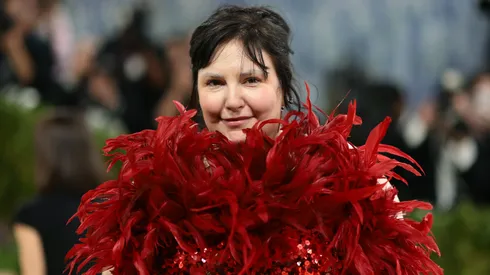
At 40, Lena Dunham remains one of the most polarizing and influential creative figures to emerge from 2010s television — a writer-director whose career has often unfolded like an open nerve under fluorescent light.
Long before streaming platforms turned confessional storytelling into an industry standard, Dunham was already building uncomfortable, intimate worlds filled with drifting graduates, failed romances, humiliating silences and characters who spoke with the kind of honesty usually edited out of television.
Girls (2012–2017)
No project captures Lena Dunham’s impact on modern television more completely than Girls. Premiering on HBO in 2012, the series followed four young women stumbling through New York City while navigating unstable careers, collapsing relationships, sexual confusion, and the quiet terror of becoming adults.
At first glance, the premise sounded deceptively simple. Yet the show quickly became something much larger: a cultural lightning rod that sparked endless debates about privilege, feminism, race, creative ambition, and the emotional instability of millennial life.
What truly separated Girls from earlier television comedies was its refusal to make its characters aspirational. Dunham wrote women who could be selfish, arrogant, insecure, funny, cruel, and heartbreakingly vulnerable within the same conversation.
The series treated embarrassment almost like poetry, finding strange beauty inside failed hookups, unfinished dreams, and painfully awkward dinners. More than a hit show, Girls reshaped the language of modern dramedy and opened space for a generation of creators interested in flawed, deeply human protagonists.
More than a decade later, its influence still lingers across streaming television — in every uncomfortable silence, every antiheroine, and every series willing to let women exist onscreen without demanding perfection first.
Girls5eva (2021–present)
Although Lena Dunham’s role in Girls5eva happened largely behind the scenes, the series reflected many of the qualities that made her creative voice so influential in modern television.
The musical comedy follows a forgotten girl group from the early 2000s attempting an unlikely comeback decades later, blending absurd humor with melancholy reflections about fame, aging, and reinvention. In many ways, the show explored themes Dunham herself understood deeply: public identity becoming a trap, nostalgia turning into both comfort and burden.
What made Girls5eva stand out was its ability to mock pop culture without losing affection for the women trapped inside it. That balance — sharp satire mixed with emotional vulnerability — has long been central to Dunham’s best work.
Even as television comedy evolved toward faster jokes and internet-driven irony, projects connected to Dunham continued prioritizing flawed women who felt emotionally recognizable beneath the humor. The series became another reminder that her influence extends far beyond projects where she appears onscreen.
Tiny Furniture (2010)
Before HBO, before magazine covers, before the endless debates surrounding Girls, there was Tiny Furniture — a tiny independent film made for around $65,000 that quietly changed Lena Dunham’s life forever. Shot partly inside her mother Laurie Simmons’ real Manhattan apartment, the film followed Aura, a recent college graduate drifting through post-university uncertainty with no real direction.
The movie moved with the awkward rhythm of real life: unfinished conversations, humiliating encounters, long silences filled with invisible panic about the future. When Tiny Furniture premiered at SXSW, it won Best Narrative Feature and immediately attracted industry attention.
Yet what made the film resonate wasn’t simply its low-budget authenticity — it was the strange honesty buried inside it. Dunham portrayed young adulthood not as glamorous self-discovery but as emotional paralysis disguised by sarcasm and ambition.
Watching it now feels like opening a time capsule from the recession-era early 2010s, when an entire generation seemed trapped between artistic dreams and economic uncertainty. The film’s DNA would later expand into Girls, but Tiny Furniture remains more intimate, quieter, and perhaps even more revealing.
American Horror Story: Cult (2017)
Lena Dunham’s appearance in American Horror Story: Cult arrived like a sharp left turn in her acting career. Cast as radical feminist Valerie Solanas — the woman infamous for shooting artist Andy Warhol in 1968 — Dunham stepped into a role drenched in rage, paranoia, and historical controversy.
Gone was the self-deprecating awkwardness audiences associated with Girls. In its place stood a performance that felt deliberately unsettling, forcing viewers to confront a darker, more confrontational side of her screen presence.
The role worked partly because Ryan Murphy’s anthology series thrives on exaggeration and emotional intensity, two qualities Dunham has never feared as a creator. Her portrayal sparked debate, especially given Solanas’ complicated legacy inside feminist history, but the casting itself reflected how Dunham’s public image had evolved.
By that point, she was no longer simply the voice of millennial awkwardness; she had become a cultural figure onto whom audiences projected political frustration, admiration, and backlash all at once. American Horror Story: Cult leaned directly into that tension.
Happy Christmas (2014)
In Joe Swanberg’s quietly chaotic holiday dramedy, Lena Dunham slipped into the role of Carson almost effortlessly, bringing the same unpredictable energy that had already made her one of indie cinema’s most recognizable voices.
The film revolves around a young woman drifting into her brother’s Chicago home after a breakup, disrupting routines with equal parts charm and emotional recklessness. Shot with Swanberg’s trademark naturalism and improvisational style, Happy Christmas felt like overhearing real conversations through apartment walls — messy, funny, and painfully human.
More importantly, the project reflected Dunham’s deep connection to the mumblecore movement that helped shape early 2010s independent filmmaking. Long before streaming platforms turned “awkward realism” into an aesthetic trend, films like this were already documenting millennials stumbling through adulthood in cramped kitchens and dimly lit bars.
Dunham fit naturally inside that cinematic language because her performances never seemed overly polished; they arrived with nervous laughter, uncomfortable pauses, and the sense that the character might say something disastrous at any second.
Camping (2018)
After the cultural earthquake caused by Girls, Dunham reunited with HBO for Camping, a sharp-edged comedy co-created with longtime collaborator Jenni Konner. Adapted from the British series of the same name, the show transformed an ordinary birthday camping trip into a battlefield of passive aggression, emotional meltdowns, and painfully forced social interactions.
Instead of the youthful uncertainty that defined Girls, this series focused on adulthood already cracking under pressure — marriages becoming transactional, friendships turning competitive, and control slowly collapsing into chaos.
What made Camping particularly interesting in Dunham’s career was its tonal shift. The series traded Brooklyn apartments and millennial drifting for suburban anxiety and middle-aged dissatisfaction, proving she could explore emotional dysfunction outside autobiographical territory.
Jennifer Garner’s tightly wound performance anchored the show, but Dunham’s fingerprints remained everywhere: the awkward silences, the cringe humor, the way conversations spiraled from polite to catastrophic in seconds. Even when critics were divided, Camping showed her refusal to become trapped inside the exact formula audiences expected from her.
Sharp Stick (2022)
With Sharp Stick, Lena Dunham returned to feature filmmaking carrying the weight of years spent away from directing movies. The result was strange, intimate, divisive, and unmistakably hers. Centered on Sarah Jo, a socially sheltered young woman exploring sexuality for the first time after beginning an affair with her employer, the film leaned into emotional discomfort instead of avoiding it.
Scenes unfolded with a kind of dreamy awkwardness, balancing vulnerability and absurdity while quietly asking difficult questions about intimacy, fantasy, and self-worth. Unlike the chaotic confidence of Girls, Sharp Stick often felt softer and more fragile, almost as if Dunham were revisiting familiar themes through a more reflective lens.
Critics sharply disagreed on the film, but even negative reactions acknowledged its unusual honesty and refusal to smooth out emotional contradictions. The movie also revealed how much Dunham’s storytelling had evolved after years of public scrutiny and personal health struggles.
Rather than chasing mainstream approval, Sharp Stick embraced imperfection completely — a film interested less in clean resolutions than in the confusing emotional static people carry through adulthood.
Industry (2020–present)
By the time Lena Dunham directed episodes of Industry, she was entering a television world radically different from the one that greeted Girls a decade earlier. HBO’s financial drama traded creative twenty-somethings for ambitious graduates drowning inside London’s ruthless banking culture, where exhaustion, power, and self-destruction blurred together under fluorescent office lights.
Dunham’s episodes brought a particularly sharp emotional intimacy to the series, focusing less on finance itself and more on the psychological erosion happening beneath tailored suits and corporate ambition.
Her involvement also demonstrated how her directing style had matured beyond autobiographical storytelling. In Industry, Dunham showed an ability to work inside someone else’s world while still amplifying the emotional tension that defines her best work.
Characters speak in the language of business and money, yet the real subject remains insecurity — the desperate need to matter inside systems designed to consume people whole. It was a reminder that Dunham’s greatest creative strength has never been simply writing about herself, but exposing the strange fragility hiding beneath confidence and performance.
This Is 40 (2012)
When Lena Dunham appeared in Judd Apatow’s This Is 40, her career was accelerating so quickly that Hollywood seemed unsure whether to treat her as an indie filmmaker, television auteur, or reluctant generational spokesperson. The film itself explored marriage, aging, and emotional exhaustion through Apatow’s familiar blend of improvisational comedy and uncomfortable honesty.
Dunham’s supporting appearance may have been brief, but symbolically it mattered: she had moved from the edges of independent cinema into the center of mainstream American comedy.
The collaboration also reflected the creative relationship between Apatow and Dunham during the early years of Girls. Apatow served as executive producer on the HBO series after being impressed by Tiny Furniture, helping introduce Dunham’s voice to a much wider audience.
At the time, Hollywood comedy was still dominated by male-driven narratives, and Dunham’s arrival disrupted that balance with stories centered on female insecurity, ambition, and emotional messiness. Her role in This Is 40 now feels like a snapshot from that transitional moment — when indie awkwardness suddenly collided with mainstream success.
Catherine Called Birdy (2022)
Few people expected Lena Dunham to direct a medieval coming-of-age comedy, which is precisely why Catherine Called Birdy became one of the most surprising projects of her career. Adapted from Karen Cushman’s beloved 1994 novel, the film follows Birdy, a rebellious 14-year-old girl resisting the arranged marriages planned by her father in 13th-century England.
Instead of presenting the Middle Ages as grim historical drama, Dunham infused the story with warmth, irreverent humor, and emotional modernity, creating something that felt both centuries old and strangely contemporary.
The film also revealed a gentler dimension of Dunham’s artistic voice. While Girls often dissected adulthood with brutal self-awareness, Catherine Called Birdy approached adolescence with empathy and playful rebellion.
Bella Ramsey’s performance captured the same restless intelligence that has always fascinated Dunham’s writing: young women refusing to quietly accept the roles assigned to them. Critics noted influences ranging from Clueless to 1990s coming-of-age films, but the movie ultimately felt like its own peculiar fairytale — one where feminist defiance arrives covered in mud, sarcasm, and candlelight.