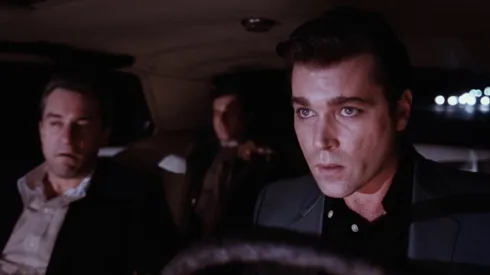
At 83 years old, Joe Pesci stands as a testament to the unpredictable alchemy of Hollywood stardom — a character actor whose trajectory defies easy categorization. From his early work to the chaotic energy of mob enforcers and courtroom comedians, his career has been a tapestry of cinema contradictions.
Yet the actor’s imprint on film history isn’t limited to the underworld of crime dramas. His comedic gifts revealed an actor capable of dissolving the hard edges of his persona into something mischievously endearing and endlessly quotable.
Tommy DeVito – Goodfellas (1990)

Pesci’s explosive portrayal of Tommy DeVito in Martin Scorsese’s Goodfellas remains arguably his most iconic role. As a volatile mobster whose charm can flip into chilling violence in a heartbeat, Pesci brought a raw unpredictability that became central to the film’s enduring power. His performance won the Academy Award for Best Supporting Actor, with scenes like the infamous “Funny how?” moment becoming emblematic of his career.
Joey LaMotta – Raging Bull (1980)
In Raging Bull, Pesci made a major dramatic breakthrough as Joey LaMotta, brother and manager to Jake LaMotta (played by Robert De Niro). His nuanced performance captured loyalty and frustration in equal measure, anchoring one of cinema’s most intense explorations of self‑destruction and family conflict. This role earned him his first Academy Award nomination and established him as a serious dramatic force.
Vincent “Vinny” Gambini – My Cousin Vinny (1992)
In an unexpected turn from his gangster persona, Pesci shone as the fast‑talking, Brooklyn‑bred lawyer Vinny Gambini in this now‑classic courtroom comedy. Tasked with defending his wrongfully accused cousin in rural Alabama, Vinny’s unconventional tactics and comic timing — anchored by sharp chemistry with Marisa Tomei — turned this into one of Pesci’s most beloved and enduring performances.
Harry Lime – Home Alone (1990)
As Harry Lime, one half of the bumbling burglar duo known as the “Wet Bandits,” Pesci brought riotous physical comedy to this family holiday favorite. His escalating frustration and slapstick misadventures against young Kevin McCallister helped Home Alone become a perennial box‑office hit, showcasing Pesci’s range beyond gritty crime drama.
Russell Bufalino – The Irishman (2019)
After years of semi‑retirement, Pesci returned in The Irishman as the reserved mob boss Russell Bufalino. This role marked a stark contrast to his earlier firebrand characters: Bufalino exudes quiet menace and authority rather than explosive rage. The performance earned Pesci another Academy Award nomination, reinforcing his stature as a consummate character actor.
Nicky Santoro – Casino (1995)
Reuniting once more with Scorsese and De Niro, Pesci delivered a ferocious turn as Nicky Santoro, a brutal and unpredictable mob enforcer in Casino. The role amplifies the fury and volatility of his earlier mob portrayals, with Santoro’s loyalty and brutality fueling some of the film’s most intense scenes and cementing Pesci’s legacy as a master of screen menace.
Leo Getz – Lethal Weapon Series (1989–1998)
Pesci brought comic relief to the Lethal Weapon franchise as verbose federal witness‑turned ally Leo Getz. His rapid‑fire delivery, nervous energy, and memorable catchphrases provided a playful foil to the series’ action heroes, making Leo one of the franchise’s most enduring supporting characters across multiple sequels.
David Ferrie – JFK (1991)
In Oliver Stone’s sprawling historical drama JFK, Pesci took on the eccentric and enigmatic role of David Ferrie, a real‑life figure tied to conspiracy theories surrounding President Kennedy’s assassination. Pesci’s frenetic, layered performance added both intrigue and tension to the film’s complex narrative about power, politics, and hidden truths.
Carmine – A Bronx Tale (1993)
In A Bronx Tale, Pesci makes a memorable impact in a smaller but pivotal role as Carmine, a mob figure whose presence ripples through the film’s themes of identity and loyalty. Even in limited screen time, his authoritative presence enhances the film’s texture and underscores his versatility in dramatic ensemble pieces.
Frankie Minaldi – Once Upon a Time in America (1984)
In Sergio Leone’s sprawling crime epic Once Upon a Time in America, Joe Pesci appears as Frankie Minaldi, a mobster embedded within the film’s rich tapestry of Prohibition‑era New York. The film itself — Leone’s final completed work — is celebrated for its sweeping narrative structure and emotional weight, with every character, including Pesci’s Frankie, contributing to its depiction of loyalty and loss across generations.