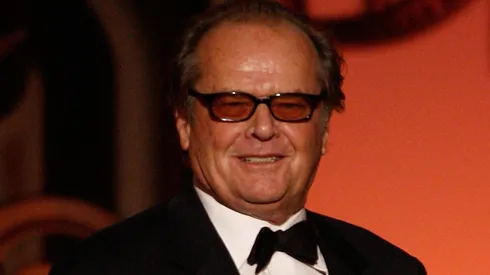
Rising from low-budget counterculture cinema to the absolute pinnacle of Academy Award-winning glory, the New Jersey native forged an unmatched legacy. He possesses a rare, intoxicating blend of devilish charisma and profound vulnerability that completely captivates audiences.
Rather than fading into the background, his characters routinely hijack the cultural zeitgeist, leaving behind unforgettable quotes and manic grins. To honor this living legend on his special day, we have ranked the defining theatrical triumphs, from a rebellious psychiatric patient to a terrifying hotel caretaker, that permanently cemented his status as cinematic royalty. From a rebellious psychiatric patient to a terrifying hotel caretaker, here are the ten absolute best performances that made Jack Nicholson an undisputed master of the silver screen.
1. Randle McMurphy in One Flew Over the Cuckoo’s Nest (1975)
Miloš Forman’s masterpiece provided Jack Nicholson with the definitive, quintessential anti-hero of the 1970s. Arriving at a rigid psychiatric ward to avoid hard labor, the rebellious protagonist immediately disrupts the authoritarian regime of Nurse Ratched. The phenomenal portrayal perfectly captures a deeply flawed man whose infectious, defiant spirit ultimately inspires his deeply oppressed fellow patients. Earning him his very first Academy Award for Best Actor, the raw, heartbreaking tragedy of the finale remains completely devastating. It stands tall as the absolute crown jewel of his sprawling filmography.
2. Jack Torrance in The Shining (1980)
Stanley Kubrick’s chilling adaptation of the Stephen King novel utilized Jack Nicholson’s innate intensity to create pure, unadulterated cinematic terror. Taking a job as an isolated winter caretaker, the struggling writer slowly descends into violent, cabin-fever-induced madness. The gradual, terrifying transformation from a frustrated father to an axe-wielding monster generated some of the most iconic imagery in horror history. That legendary, improvised “Here’s Johnny!” moment permanently seared his maniacal visage into the collective nightmares of moviegoers everywhere. Decades later, the chilling atmosphere still relies entirely on his deeply unsettling screen presence.
3. J.J. “Jake” Gittes in Chinatown (1974)
Roman Polanski’s neo-noir classic demanded a leading man capable of projecting sharp cynicism while masking profound inner turmoil. Investigating a seemingly straightforward infidelity case, the sharp-dressed private detective quickly uncovers a massive, deeply corrupt Los Angeles water conspiracy. The narrative continuously batters the protagonist physically and emotionally, culminating in a notoriously bleak, hopeless conclusion. His incredibly nuanced, bandaged-nose performance revitalized the hardboiled detective archetype for a modern, highly disillusioned era. Securing another Oscar nomination, the flawless execution firmly anchored one of the greatest screenplays ever written.
4. Melvin Udall in As Good as It Gets (1997)
Proving his immense capabilities extended seamlessly into romantic comedy, this massive hit brought Nicholson his third Academy Award. Portraying a misanthropic, obsessive-compulsive romance novelist, the veteran star spewed venomous insults at everyone unfortunate enough to cross his path. Yet, beneath the abrasive exterior, a surprisingly tender vulnerability emerges through his interactions with a struggling waitress and a gay neighbor. Balancing laugh-out-loud cruelty with genuine, heartwarming redemption required absolute, razor-sharp comedic timing. The character’s eventual realization that love makes him want to be a better man feels entirely earned due to the meticulous acting on display.
5. The Joker in Batman (1989)
Tim Burton’s gothic superhero blockbuster fundamentally changed the comic book movie landscape, largely thanks to a spectacularly unhinged villain. Donning the purple suit and permanent clown makeup, the gangster-turned-madman brought a brilliant, theatrical anarchy to the dreary streets of Gotham City. He famously commanded top billing and a lucrative percentage of the box office, recognizing the massive cultural potential of the malicious prankster. Dancing to Prince music while vandalizing priceless art, the gleeful sadism set an impossibly high bar for future cinematic antagonists. It proved that popcorn blockbusters could successfully accommodate prestige, heavyweight acting talent.
6. Col. Nathan R. Jessup in A Few Good Men (1992)
Sometimes a legendary performer only needs a handful of scenes to completely steal an entire military courtroom drama. Testifying about the death of a young Marine, the arrogant, fiercely patriotic base commander treats the legal proceedings with terrifying contempt. The explosive climax delivers an unforgettable, volcanic monologue concerning the brutal necessity of men standing on walls with guns. Barking that Tom Cruise’s character cannot handle the truth, the explosive delivery etched those words permanently into the American pop-culture lexicon. The towering, intimidating authority projected from the witness stand remains an absolute masterclass in commanding an audience’s attention.
7. Robert Eroica Dupea in Five Easy Pieces (1970)
Bob Rafelson’s intimate character study beautifully captured the restless, aimless disillusionment of the post-1960s generation. A former classical piano prodigy abandons his wealthy, intellectual family to work blue-collar jobs in oil fields and drink heavily. The actor perfectly channels the agonizing alienation of a man who feels entirely disconnected from every societal expectation placed upon him. The infamous, highly frustrating diner scene involving a chicken salad sandwich perfectly summarizes the protagonist’s rebellious, anti-establishment frustration. This defining breakout turn officially transitioned him from a B-movie player into a deeply respected, leading cinematic heavyweight.
8. Frank Costello in The Departed (2006)
Collaborating with Martin Scorsese resulted in a spectacularly terrifying, wildly unpredictable Boston mob boss. Running a massive criminal empire while secretly acting as an FBI informant, the ruthless patriarch rules his territory through intimidation and sudden brutality. The seasoned veteran reportedly improvised heavily on set, introducing chaotic elements like a real firearm to keep his co-stars genuinely off-balance. His opening monologue delivered in the shadowy diner immediately establishes a menacing, predatory tone for the entire undercover thriller. Winning Best Picture, the gritty gangster epic benefited massively from his highly theatrical, deeply evil supporting turn.
9. Garrett Breedlove in Terms of Endearment (1983)
James L. Brooks enlisted the charismatic icon to provide crucial levity in this notoriously tear-jerking family melodrama. Living next door to Shirley MacLaine’s fiercely protective matriarch, the retired astronaut is a shameless, unapologetic womanizer completely terrified of commitment. However, his gradual evolution into a supportive, surprisingly tender romantic partner provides the heavy narrative with some much-needed emotional sunshine. Securing a Best Supporting Actor trophy, the charming swagger beautifully masked a lonely man finally learning to care for someone else. The spectacular chemistry between the two veterans remains a high point of 1980s adult cinema.
10. George Hanson in Easy Rider (1969)
Dennis Hopper’s groundbreaking counterculture road movie needed a bridge between the conservative establishment and the free-spirited hippie bikers. Stepping into the shoes of a hard-drinking, small-town ACLU lawyer, the relatively unknown actor delivered a star-making, incredibly warm performance. Donning a gold football helmet while riding on the back of a chopper, he perfectly embodies the tragic, fleeting hope of American freedom. His campfire monologue regarding alien civilizations and human fear remains a beautifully poignant piece of independent filmmaking. Earning his first Oscar nomination, the brilliant supporting turn successfully launched one of the greatest careers in Hollywood history.