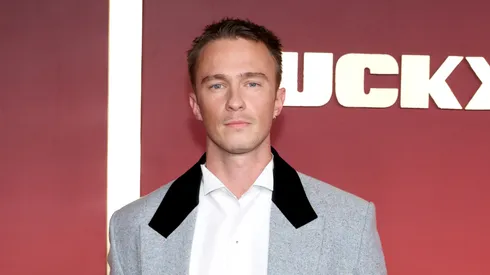
Among the ensemble, Drew Starkey emerged as a distinct standout—taking the volatile, deeply troubled Rafe Cameron and turning a television villain into a launching pad for one of the fastest, most compelling career ascents in modern Hollywood.
Now, in a candid interview with GQ, the actor opens up about saying an emotional goodbye to the series that made him a household name, while reflecting on how Pogue country propelled him straight into auteur cinema and global high fashion.
“I Think I Cried the Most Out of Anyone”
For four seasons, Starkey commanded the screen as Rafe—a character whose chaotic energy, violent outbursts, and underlying emotional vulnerability earned widespread praise from critics and fans alike. But as the series draws to a close, saying goodbye to the show that launched his career proved far more overwhelming than he anticipated.
“I’ve loved, loved, loved my experience on that show,” Starkey told GQ. “I was a wreck on my last day. I was crying so much. I felt guilty, because I was feeling nothing leading up to it. I was like, ‘I’m glad it’s over.’ And then all of a sudden, after my last scene, they yelled cut and I was just like, waterworks, weeping. I think I cried the most out of anyone.”
Starkey’s portrayal gave Outer Banks some of its heaviest dramatic weight, proving early on that his screen presence extended far beyond traditional teen-drama tropes.

The Breakout: From Rafe Cameron to Prestigious Auteurs
While playing the erratic, troubled Rafe Cameron earned him millions of dedicated fans on social media, it was Starkey’s raw dramatic capability that caught the eye of elite filmmakers and TV creators.
Even Outer Banks co-creator and director Jonas Pate sees Starkey’s turn as Rafe as just the beginning of a massive career:
“I keep waiting for someone to cast Drew as the hero,” Pate shared when speaking about Starkey’s future. “Not the antihero. Not the damaged guy. Just the guy you want to follow into the fire. He has all the tools for it. When that happens, people are going to realize they’ve only been watching one chapter of what he’s capable of.”
That shift toward major leading-man territory is already well underway. Without having even watched Outer Banks, director Luca Guadagnino cast Starkey as Eugene Allerton opposite Daniel Craig in the 1940s historical romance Queer. The role thrust Starkey onto major film festival red carpets—including Venice and Toronto—and firmly established him as a serious actor capable of sharing the screen with Hollywood legends.
That momentum led directly to co-starring opposite Anya Taylor-Joy in Apple TV+’s high-stakes series Lucky, further solidifying his status as one of the industry’s most sought-after talents.
High-Fashion Muse and Brand Magnet
Starkey’s rapid rise in cinema quickly caught the attention of global luxury fashion houses, sparking a complete style evolution:
- Loewe & J.W. Anderson: Starkey quickly became a front-row staple at Paris and Milan fashion weeks, frequently outfitted by creative director Jonathan Anderson (who also designed the costumes for Queer).
- Dior: The actor officially joined luxury house Dior as an ambassador, completing his transition from surfboard-and-t-shirt television drama to international style icon.
From tears shedding on set as the final cameras cut to walking prestige red carpets in Venice and fronting global luxury campaigns, Drew Starkey’s transition from television breakout to Hollywood leading man is officially complete.