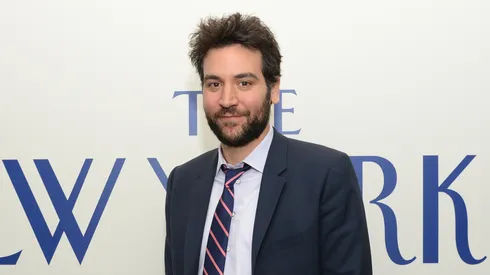
A glance through his all-time favorite movies—a list compiled from his interviews and verified via IMDb trivia—reveals the eclectic tastes that shaped his artistic lens. From snappy 1980s studio comedies to pitch-black satires and sweeping European romances, Radnor’s cinematic diet is as broad as it is insightful.
The Masterclasses in Dialogue and Romance
1. Before Sunrise (1995) and Before Sunset (2004)
For Radnor, Richard Linklater’s legendary duo isn’t two separate films—it’s a single, fluid piece of cinematic art. He has often cited Ethan Hawke and Julie Delpy’s walk-and-talk strolls through Europe as a primary inspiration for his own screenwriting. Linklater proved to Radnor that conversation itself could be as thrill-packed as any action scene, provided the underlying emotional currents were real.
2. Tootsie (1982)
Sydney Pollack’s classic comedy isn’t just a movie Radnor loves; it’s the film that made him want to move to Manhattan and become an actor in the first place. Watching Dustin Hoffman navigate the absurdity of the theater world with razor-sharp comedic timing showed a young Radnor how romance, satire, and performance could blend seamlessly into a timeless classic.
Nostalgia Meets High-Stakes European Drama
3. The Breakfast Club (1985)
John Hughes’ defining high school chamber piece remains a major touchstone for Radnor. Having revisited the film during a New Year’s viewing party with friends, he marveled at how perfectly every frame stood the test of time. The movie’s ability to take teenage vulnerability seriously while keeping the dialogue buoyant is a balance Radnor has strived for throughout his creative endeavors.
4. The Lives of Others (2006)
Highlighting his deep appreciation for international cinema, Florian Henckel von Donnersmarck’s Oscar-winning German drama explores surveillance, art, and redemption in 1980s East Berlin. The movie’s quiet conviction—showing how exposure to music and theater can transform a hardened secret-police agent—resonates directly with Radnor’s core belief in the healing power of storytelling.
The Ultimate Curveball
5. Happiness (1998)
Perhaps the most startling title on Radnor’s favorites list is Todd Solondz’s notoriously dark, pitch-black indie satire. While Radnor generally avoids bleak, cynical media, he has openly admitted a fascination with Happiness, calling it deeply disturbing yet strangely exuberant. The film’s willingness to extract uncomfortable laughter from the darkest corners of the human condition left an indelible mark on his appreciation for bold, risk-taking cinema.
A Birthday Toast to a True Movie Buff
When you look at the spectrum running from Tootsie’s theatrical energy to Before Sunrise’s intimate banter, it becomes obvious why Radnor’s own directorial work feels so human and conversation-driven. He doesn’t just act in or make movies; he lives and breathes them.