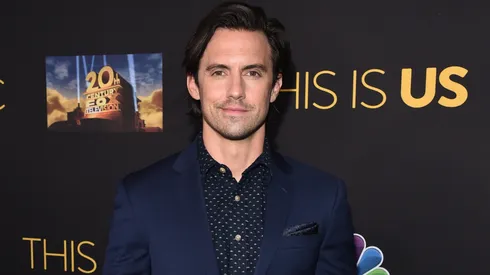
There is a unique burden that comes with playing a character who is viewed as a flawless, mythologized figure. For six seasons on NBC’s powerhouse drama This Is Us, Milo Ventimiglia—born July 8, 1977—had to find the deep, fractured humanity inside Jack Pearson, a husband and father who loomed larger than life over his family even from beyond the grave.
Turning 49 today, Ventimiglia has seamlessly transitioned into new creative chapters (including his recent, highly praised run on the live theater stage and his production endeavors). Yet, no matter where his career takes him, his collaborative chemistry with Mandy Moore and his quiet, fierce depiction of paternal devotion remain a golden standard for 21st-century television. Grab your tissues and prepare your tear ducts—here are the ten definitive episodes where Milo Ventimiglia completely leveled us.
The 10 Definitive Jack Pearson Masterclasses
1. “Pilot” (Season 1, Episode 1)
The episode that started it all. Trusting creator Dan Fogelman’s intricate, temporal vision, Ventimiglia introduced us to Jack on his 36th birthday—wearing nothing but a strategically placed knit towel. Beyond the immediate physical charm, this episode required Ventimiglia to anchor the show’s first massive structural twist, transitioning seamlessly from a devastating hospital loss to a fierce, adaptive determination to adopt a third child. It set the emotional trajectory for the entire series.
2. “The Pool” (Season 1, Episode 4)
While the series frequently leaned into grand, tragic gestures, this early classic proved Ventimiglia could master everyday parenting anxieties. Taking the triplets to a local public pool, Jack is forced to navigate three distinct childhood traumas simultaneously: Kevin’s desperate need for attention, Randall’s search for cultural identity, and Kate’s early encounters with body-shaming. The scene where Jack invents a “magic shirt” story to protect his daughter’s confidence remains a beautifully subtle masterclass in emotional shield-building.
3. “Pilgrim Rick” (Season 1, Episode 8)
Every Thanksgiving, pop culture still circles back to this hour. When a road trip to Rebecca’s hyper-critical family crashes on the side of the road, Jack single-handedly rescues the holiday inside a shabby, freezing motel. Introducing the world to the cheese-dog-roasting, hat-wearing alter ego “Pilgrim Rick,” Ventimiglia showcased his immaculate comedic timing and lighthearted warmth, establishing a fictional family tradition that fans actively replicate in real life.
4. “Moonshadow” (Season 1, Episode 18)
Ego, alcoholism, and decades of buried resentments boiled over in the Season 1 finale. Ventimiglia and Mandy Moore locked into a brutal, claustrophobic, and entirely unedited marriage argument that shattered the illusion of the “perfect” Pearson couple. The sheer vocal control Ventimiglia displayed—balancing defensive anger with a heartbreaking, desperate final romantic speech before temporarily moving out—earned him his first well-deserved Emmy nomination.
5. “Super Bowl Sunday” (Season 2, Episode 14)
The most anticipated, highly scrutinized hour of television in 2018 required absolute physical and emotional commitment. Confronting a roaring, practical house fire caused by a faulty slow cooker, Ventimiglia transformed Jack into an authentic action hero, systematically rescuing his family and the family dog from the flames. The subsequent, quiet heart attack in the hospital room left an entire generation of viewers completely shell-shocked.
“The fire was intense because it was real… but instinctively, I was still putting myself in between the smoke and the kids. You just inhabit the dad instinct completely.” — Milo Ventimiglia
6. “The Car” (Season 2, Episode 15)
Airing immediately after Jack’s passing, this episode functioned as a quiet, devastating epilogue told entirely through flashbacks surrounding the purchase of the family station wagon. Ventimiglia’s monologue to a car salesman about wanting a vehicle tough enough to absorb the dings, scratches, and eventual grief of a growing family stands as one of his most poetically grounded deliveries of the series.
7. “Sometimes” (Season 3, Episode 7)
We thought we knew everything about Jack Pearson until the show traveled to the jungles of Vietnam. In this deeply moving episode, Ventimiglia strips away the confident, smiling father figure to present a raw, hyper-vigilant, and profoundly traumatized young veteran trying to resume the rhythms of a normal civilian road trip with Rebecca. His physical performance here—the tentative smiles, the rigid posture, and the suppressed tears while listening to Rebecca sing—earned him widespread critical acclaim.
8. “After the Fire” (Season 4, Episode 17)
The ultimate “what if” experiment. In this psychological hour, Randall explores speculative realities with his therapist, imagining what would have occurred if Jack had survived the fire. This narrative trick allowed Ventimiglia to finally do something he rarely got to do: sit in the makeup chair to age-up alongside Mandy Moore, and finally share extensive, real-time scenes with adult versions of Sterling K. Brown, Justin Hartley, and Chrissy Metz.
9. “Don’t Let Me Keep You” (Season 6, Episode 4)
In the final season, Ventimiglia received a spectacular, standalone showcase. The episode tracks Jack traveling alone to Ohio to bury his estranged mother. Stripped of his usual domestic support systems, Jack navigates the complex guilt of a child who grew apart from a parent to survive an abusive household. His weeping delivery of a simple, brief eulogy—concluding with the words “Don’t let me keep you”—remains his most devastating solo dramatic achievement.
10. “Us” (Season 6, Episode 18)
The historic series finale chose to bypass melodramatic twists for absolute, poetic simplicity. Woven between Rebecca’s funeral in the present, the flashbacks follow Jack guiding his pre-teen family through a lazy, completely unexceptional Saturday. Teaching his boys how to shave and encouraging his family to simply collect the quiet moments, Ventimiglia wrapped up his six-year tenure by reminding the audience of the show’s central thesis: the ordinary days are often the ones that matter the most.