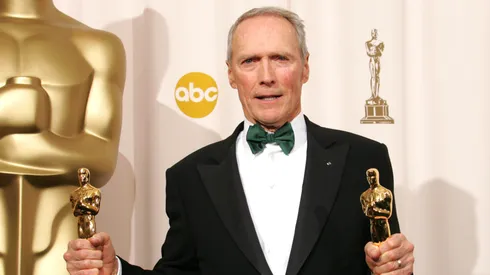
While audiences have spent over half a century projecting their definitions of masculinity onto his towering frame, the real Clint Eastwood is a master of quiet subversion. Behind the trademark steely gaze lies an incredibly thoughtful, highly efficient filmmaker and a deeply soulful artist. As Hollywood reflects on his vast contributions, looking strictly at his acting credits only tells a fraction of the story. To truly understand his impact on the entertainment industry, one must look at how he operates on set, his surprising personal passions, and the unyielding work ethic that continues to drive him today.
The Malpaso Method: A Masterclass in Efficiency
In an industry notorious for chaotic schedules, massive egos, and bloated budgets, an Eastwood production is famous for being the exact opposite. Operating primarily through his own Malpaso Productions, he runs his shoots with the precision of a seasoned general and the relaxed demeanor of a golf caddy. He notoriously despises the traditional, booming Hollywood shouts of “Action!” and “Cut!”, finding them too jarring for the performers. Instead, he prefers to gently murmur, “Go ahead whenever you’re ready,” and “That’s enough.”
This philosophy stems from his early days working under the old studio system, where he learned to detest the grueling process of shooting endless, unnecessary coverage. As a director, he is famous for trusting his cast’s initial instincts, often moving on after the very first take. This creates an environment of immense trust and spontaneity, ensuring his narratives feel remarkably raw, grounded, and unpolished in the best way possible.
A Secret Symphony: The Jazz Musician
Perhaps the biggest contrast to his hardened on-screen persona is his profound, lifelong devotion to music. Long before he ever picked up a prop weapon or rode a horse on camera, a young Eastwood dreamed of becoming a professional musician. He is an accomplished pianist and a massive aficionado of jazz, ragtime, and classical arrangements.
This deep musicality bleeds directly into his filmmaking. Rather than hiring outside composers, he frequently writes and performs the haunting, minimalist piano scores for his own pictures, including the critically acclaimed soundtracks for Mystic River and Changeling. This melodic sensitivity reveals a remarkably tender, artistic side of the man that starkly contrasts with the cynical renegades he is most famous for portraying.
Defying the Swan Song
Most filmmakers begin planning their retirement well before their eightieth birthday, but Eastwood operates on an entirely different timeline. When his tense, character-driven legal thriller Juror #2 premiered in late 2024 to rave reviews, many critics and industry insiders assumed the project would serve as his final farewell to the silver screen. It felt like a fitting, natural conclusion to a legendary run.
However, recent reports have completely shattered that assumption. Even as he navigates his late nineties in 2026, he is reportedly already in pre-production on a brand-new project. He recently stated in European interviews that he misses the era of original storytelling over endless franchises, boldly declaring that he will continue to work as long as he can still learn something new.
The Last True Auteur
Clint Eastwood’s legacy is absolutely singular. He is one of the very few creatives who successfully transitioned from a working-class television actor into an international superstar, and ultimately into a universally respected, Oscar-winning auteur. By refusing to conform to the loud, frantic pacing of modern blockbusters, he has preserved a classic, straightforward style of American filmmaking that is rapidly disappearing. He remains a fiercely independent voice, a quiet maestro, and an unstoppable creative force who continues to write his own history, one frame at a time.