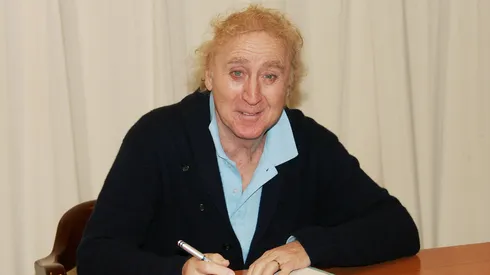
For decades, fans of classic cinema and pure, unadulterated comedy have been waiting for someone to bring the story of Jerome Silberman—better known to the world as Gene Wilder—to the silver screen. The entertainment world is buzzing with the news that a Gene Wilder biopic is officially in the works, promising to take audiences behind the curtain of one of Hollywood’s most unique and beloved minds.
Wilder, who passed away in 2016 from complications of Alzheimer’s disease, possessed a rare comedic energy. He could oscillate from frantic, screaming hysteria to quiet, heartbreaking vulnerability in the blink of an eye. Tackling his life story is a massive undertaking, requiring a delicate balance of celebrating his cinematic triumphs and honoring his personal heartbreaks.
Here is a breakdown of what this newly announced biopic means for fans, the eras of his life it will likely cover, and the inevitable debate over who could possibly fill his iconic purple velvet coat.
The Golden Ticket: What the Film Needs to Cover
A standard cradle-to-grave biopic rarely captures the true essence of a creative genius. To truly understand Wilder, the upcoming film will need to heavily focus on the defining partnerships and moments that shaped his career and his heart.
- The Mel Brooks Era: You simply cannot tell Wilder’s story without Mel Brooks. Their collaboration was the bedrock of 1970s comedy, producing absolute masterpieces that pushed the boundaries of satire. The dynamic between Brooks’s chaotic directing style and Wilder’s meticulous acting process is cinematic gold.
- The Richard Pryor Partnership: Wilder and Pryor were the ultimate odd couple. Their on-screen chemistry in films like Silver Streak and Stir Crazy broke racial barriers and redefined the buddy-comedy genre, even while Pryor battled severe personal demons off-camera.
- The Gilda Radner Romance: The emotional core of Wilder’s life was his marriage to SNL legend Gilda Radner. Their profound love story, tragically cut short by Radner’s death from ovarian cancer in 1989, profoundly changed Wilder, leading him to step away from Hollywood and champion cancer research.
Casting the Inimitable
The moment the biopic was announced, the internet immediately launched into a fierce debate: Who on earth can play Gene Wilder?
Finding an actor who possesses his specific brand of neurotic charm, soulful eyes, and impeccable comedic timing is a monumental casting challenge. While the studio has yet to announce any official names, fan-casting is already leaning toward actors who can master both deep dramatic pathos and physical comedy. The chosen actor won’t just be doing an impression; they will have to capture the underlying anxiety and warmth that made Wilder so deeply relatable.
As we wait for more details on production and casting, it is the perfect time to revisit the roles that made this biopic so necessary.
Willy Wonka in Willy Wonka & the Chocolate Factory (1971)
Perhaps his most globally recognized role, Wilder created the ultimate cinematic mix of childlike wonder and genuine, unpredictable danger. His performance as the eccentric chocolatier proved that family entertainment could be both deeply whimsical and remarkably dark, anchoring the film with a mysterious, magnetic energy.
Dr. Frederick Frankenstein in Young Frankenstein (1974)
This masterpiece showcased his brilliance not just in front of the camera, but behind the scenes as well. Wilder co-wrote the Oscar-nominated script with Mel Brooks, and his performance as the desperate, manic doctor trying to distance himself from his family’s infamous legacy was a masterclass in slow-burn comedy and hysterical outbursts.
Jim (The Waco Kid) in Blazing Saddles (1974)
In a movie absolutely bursting at the seams with chaotic, boundary-pushing satire, Wilder managed to completely steal the show by doing the exact opposite. Playing an alcoholic, washed-up gunslinger, he brought a quiet, lethargic coolness to the film, acting as the perfect, deadpan anchor amidst the absolute madness around him.
Leo Bloom in The Producers (1967)
This was the breakout film role that officially established his signature “hysterical panic attack” acting style. Playing a deeply anxious accountant who gets roped into a massive Broadway fraud scheme by Zero Mostel, Wilder was electrifying. The role earned him an Academy Award nomination for Best Supporting Actor and marked the beginning of his legendary, career-defining partnership with Mel Brooks.