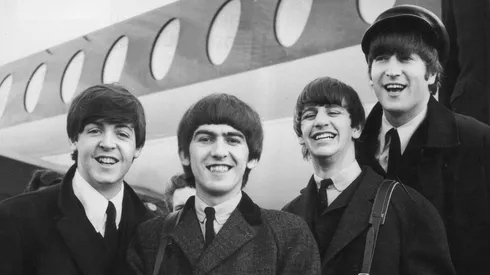
In May 1970, Let It Be arrived in record stores carrying the strange feeling of both an ending and a farewell nobody was ready to accept. Released almost a month after The Beatles officially broke up, the album exposed a band caught between exhaustion, genius, and the pressure of surviving its own mythology.
What had originally started as Paul McCartney’s attempt to bring the group back to its live-performance roots slowly transformed into a chaotic recording process filled with creative disagreements, abandoned sessions, and emotional distance between the four members.
Why Let It Be Was Born During One of The Beatles’ Most Difficult Periods
By the end of the 1960s, The Beatles were no longer the carefree phenomenon that had conquered the world with matching suits and screaming crowds. Behind the scenes, exhaustion, creative disagreements, business problems, and personal changes were beginning to fracture the group.
After years of nonstop fame, each member was slowly moving in different artistic directions. The original idea behind Let It Be was surprisingly simple. Paul McCartney wanted the band to reconnect with the raw energy of their early years by rehearsing together, writing songs live, and eventually performing in front of an audience again.
The project was initially titled Get Back, symbolizing a return to basics after the experimental complexity of albums like Sgt. Pepper’s Lonely Hearts Club Band and The White Album. But the recording sessions quickly became tense.
Cameras captured arguments, awkward silences, and visible frustration between the band members. George Harrison temporarily walked out of rehearsals. John Lennon appeared increasingly detached at times, while business tensions surrounding Apple Corps added even more pressure. What was meant to feel spontaneous instead exposed a group struggling to survive its own success.
The Rooftop Concert Became One of the Most Iconic Moments in Music History
On January 30, 1969, The Beatles climbed onto the rooftop of Apple Corps headquarters in London for what would become their final live public performance. At the time, nobody fully understood they were witnessing the end of an era.
The surprise concert stopped pedestrians in the streets below as songs like “Get Back,” “Don’t Let Me Down,” and “I’ve Got a Feeling” echoed across central London. Office workers leaned out of windows, crowds gathered in confusion, and police officers eventually arrived after noise complaints from nearby businesses.
The performance lasted only around 40 minutes, but its impact became enormous. Visually, it captured everything people still associate with The Beatles: rebellion, creativity, humor, spontaneity, and cultural chaos.
Decades later, the rooftop concert remains one of the most recreated and referenced moments in music history, appearing in documentaries, films, advertisements, and tribute performances around the world.
How Let It Be Produced Some of the Band’s Most Emotional Songs
Despite the internal conflict surrounding the album, Let It Be produced songs that became timeless cultural landmarks. The title track, written primarily by Paul McCartney, carried a sense of calm and emotional surrender inspired by a dream about his late mother. “Mother Mary comes to me” quickly became one of the most recognizable opening lines in modern music.
“Across the Universe,” largely written by John Lennon, offered a more cosmic and reflective tone, while “The Long and Winding Road” became one of the band’s most emotional ballads. Even “Get Back,” with its energetic rhythm and playful spirit, reflected the project’s original desire to reconnect with simpler rock-and-roll roots.
What made these songs especially powerful was their emotional honesty. Unlike some earlier Beatles albums built around experimentation and fantasy, Let It Be often sounded vulnerable, tired, reflective, and human — qualities that resonated deeply with audiences then and continue to resonate today.
Phil Spector’s Production Sparked Controversy Around the Album
Although much of the material had already been recorded in 1969, the album itself was not officially completed until producer Phil Spector was brought in during 1970. Known for his dramatic “Wall of Sound” production style, Spector added orchestral arrangements and choirs to several songs, especially “The Long and Winding Road.”
Paul McCartney strongly disliked many of those changes. He later argued that the orchestration altered the emotional simplicity he originally intended for the project. The disagreement became one of several conflicts surrounding the band’s breakup.
Years later, McCartney pushed for a revised version titled Let It Be… Naked, released in 2003, which removed many of Spector’s additions and attempted to present the songs in a more stripped-down form closer to the band’s original vision.
How Let It Be Changed Music and Pop Culture Forever
Even though Let It Be emerged from conflict, it permanently changed how popular music could tell stories. The album showed audiences that imperfection, tension, and emotional vulnerability could become part of the art itself. Rather than hiding the band’s struggles, the project almost documented them in real time.
The accompanying 1970 documentary film offered fans a rare behind-the-scenes look at the creative process — something unusual for major artists at the time. Decades later, Peter Jackson’s documentary series The Beatles: Get Back restored and expanded that footage, helping younger generations rediscover the emotional complexity behind the album’s creation.
Culturally, Let It Be became more than just a Beatles record. Its songs appeared in films, political moments, television shows, sporting events, and memorial tributes across generations. The title track alone evolved into a kind of universal anthem for grief, hope, and acceptance.
More than 50 years later, Let It Be still feels alive because it captured something larger than a band breaking apart. It documented the fragile moment when the biggest musical phenomenon in the world stopped trying to sound perfect — and accidentally created something timeless.